8 Back Exercises, Mapped Muscle by Muscle — Female + Male 3D Animation for Every Rep
Quick Answer: Your back is at least six muscles working together, not one. Below are 8 exercises using cables and machines — each shown in 3D animation, female and male — with the real story behind what it’s doing to your back and how to not mess it up.
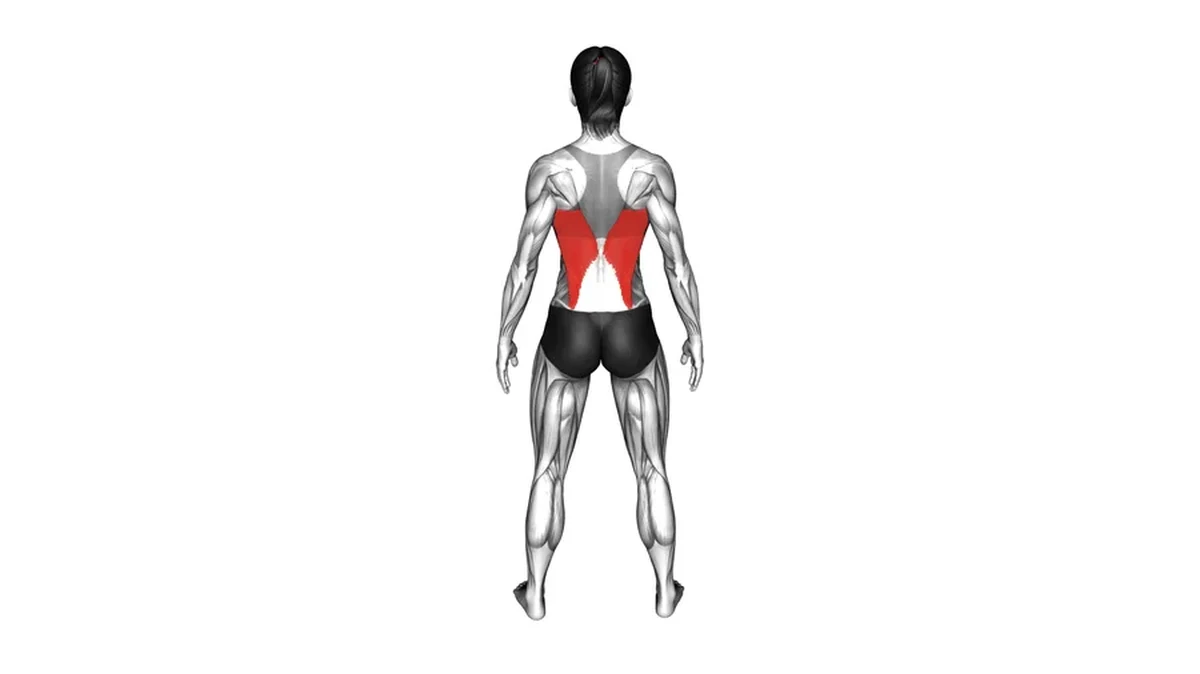
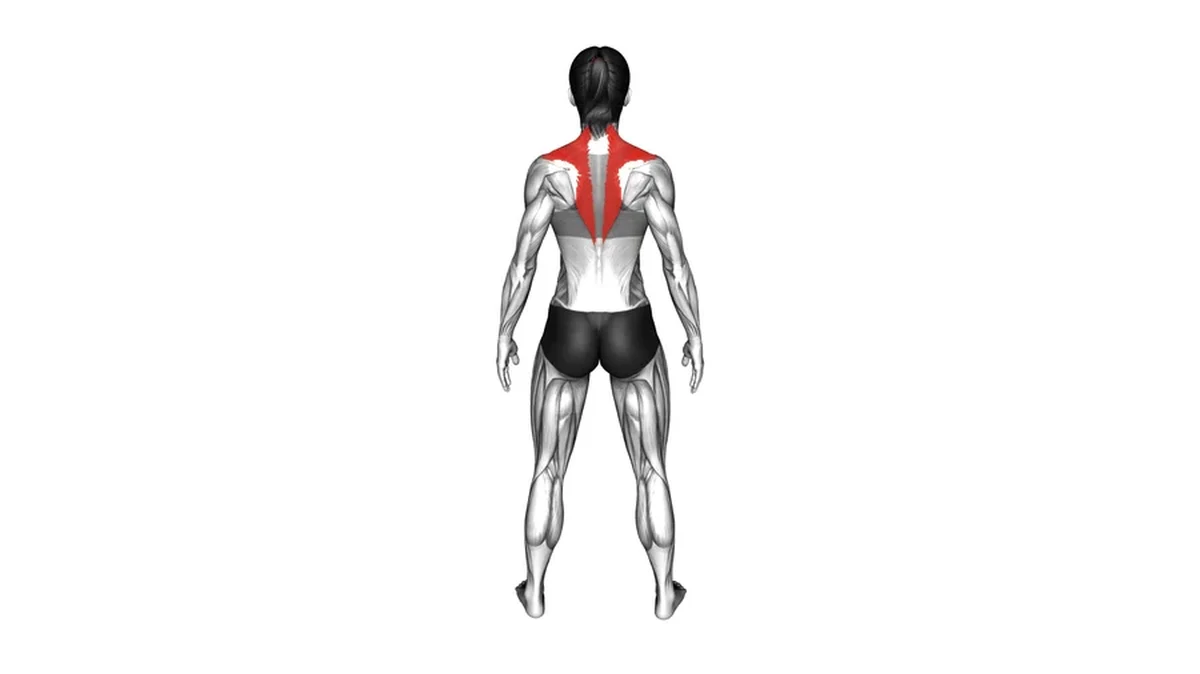
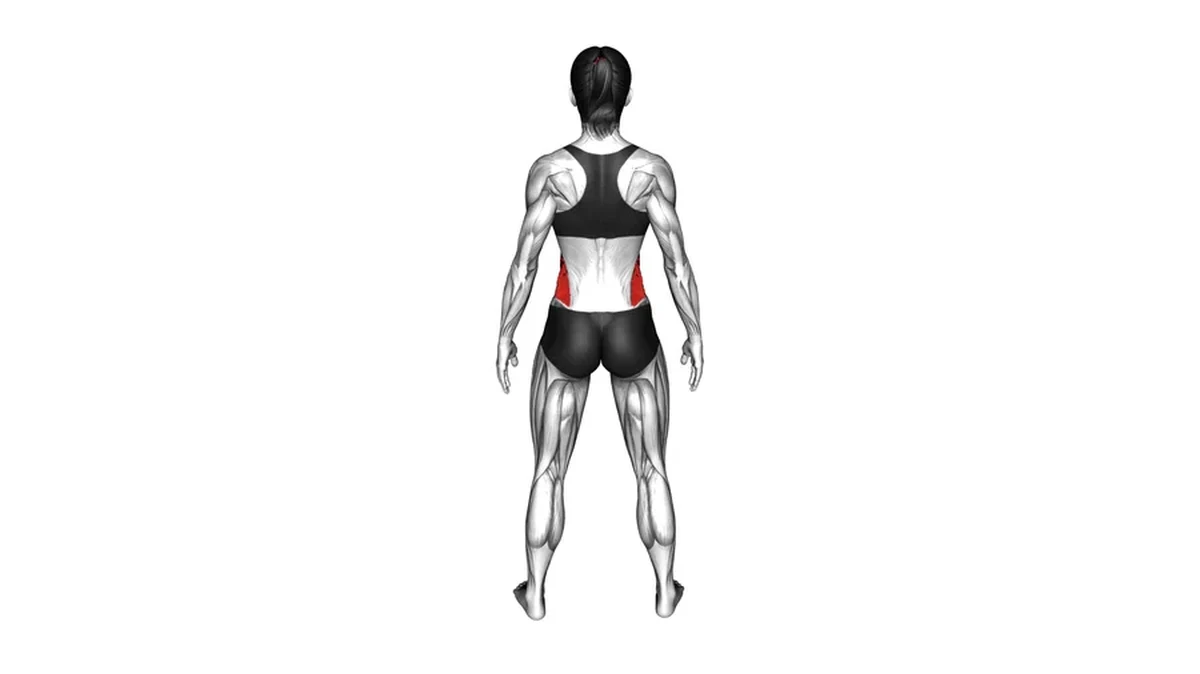
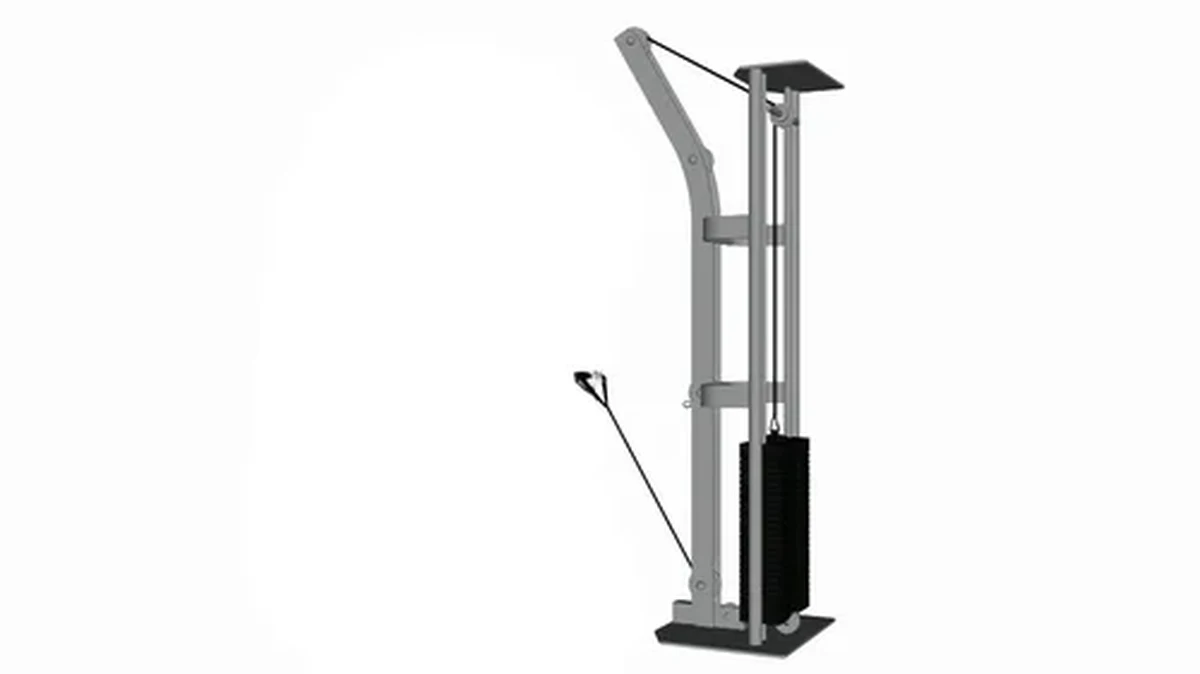 Adjustable Cable Column
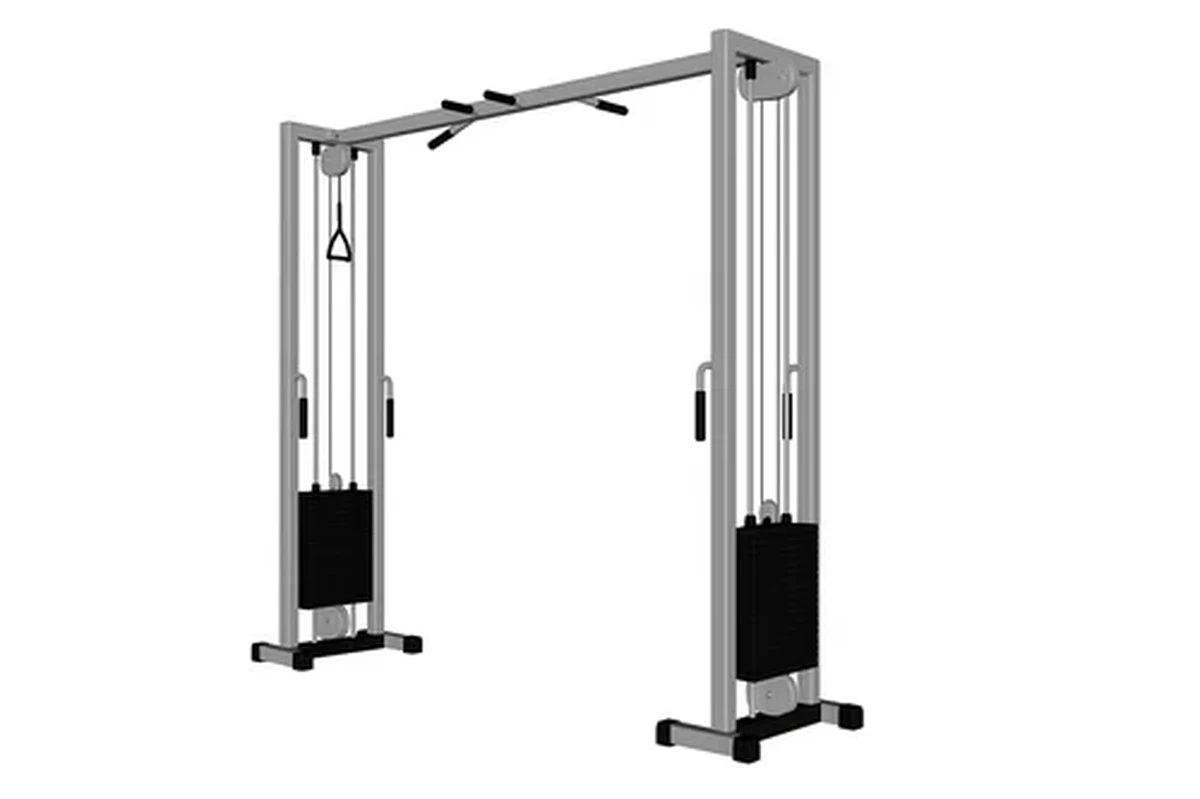 Cable Crossover Machine
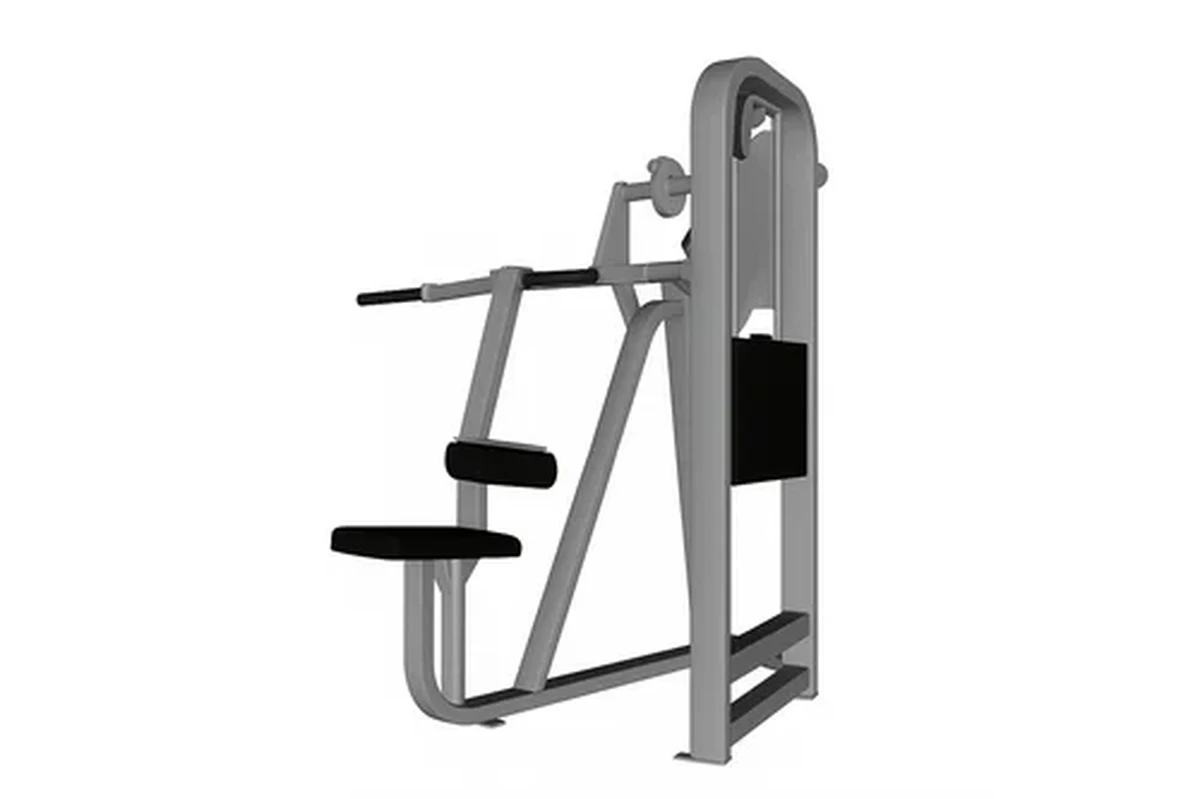
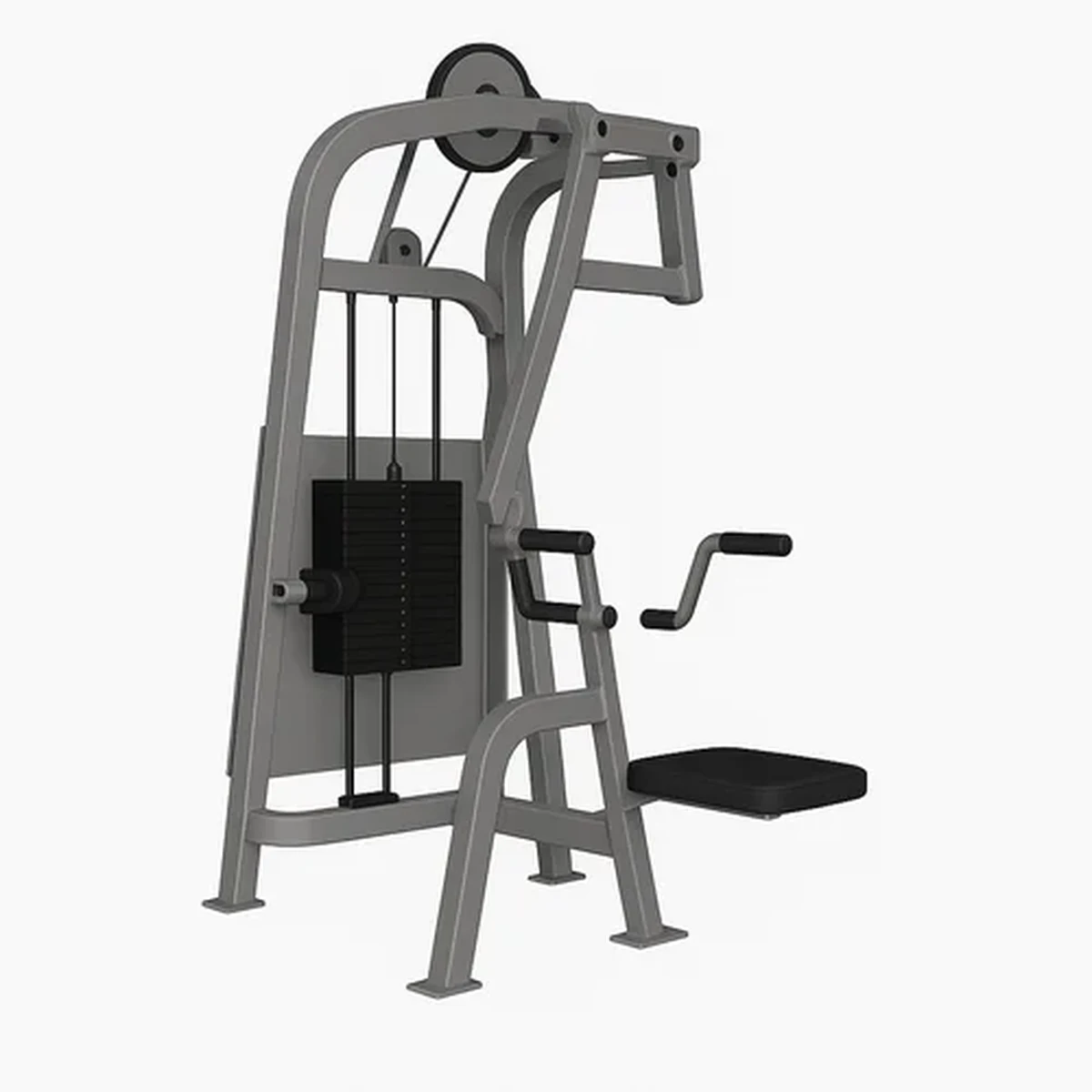 Lat Pulldown _ High Row Machine
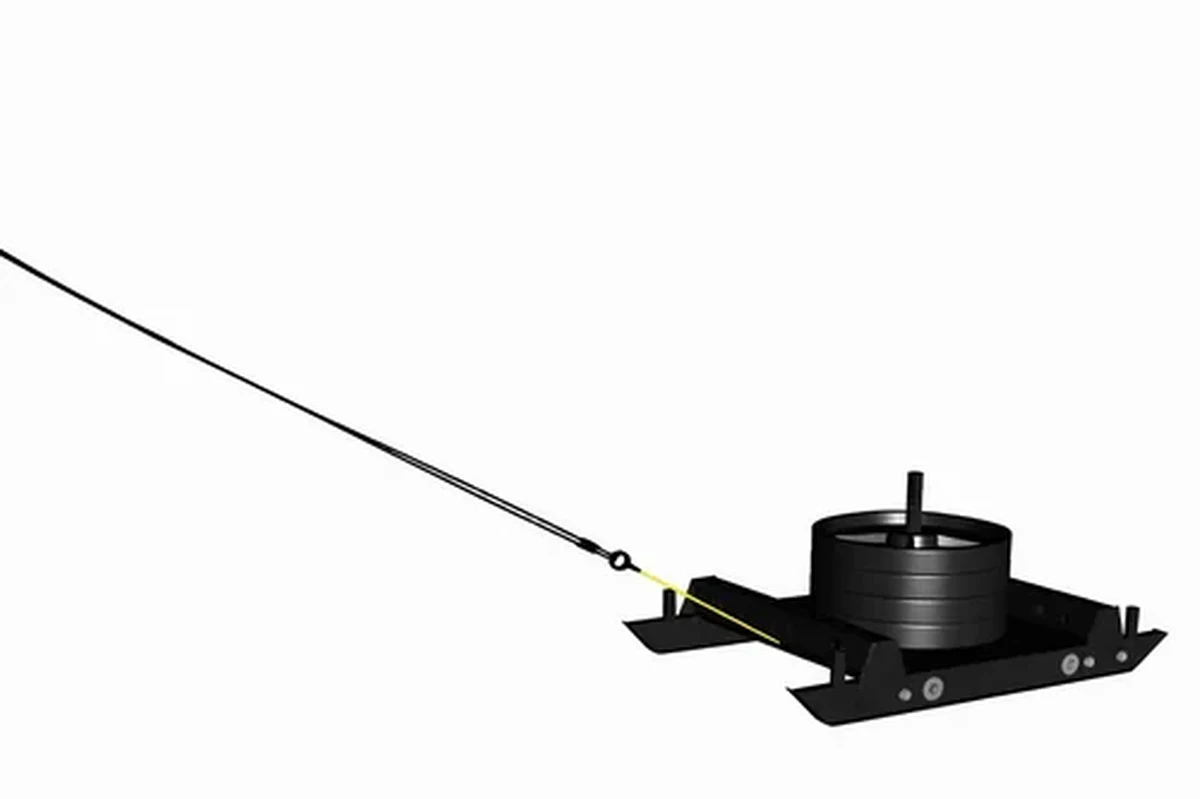 Sled Pull Training
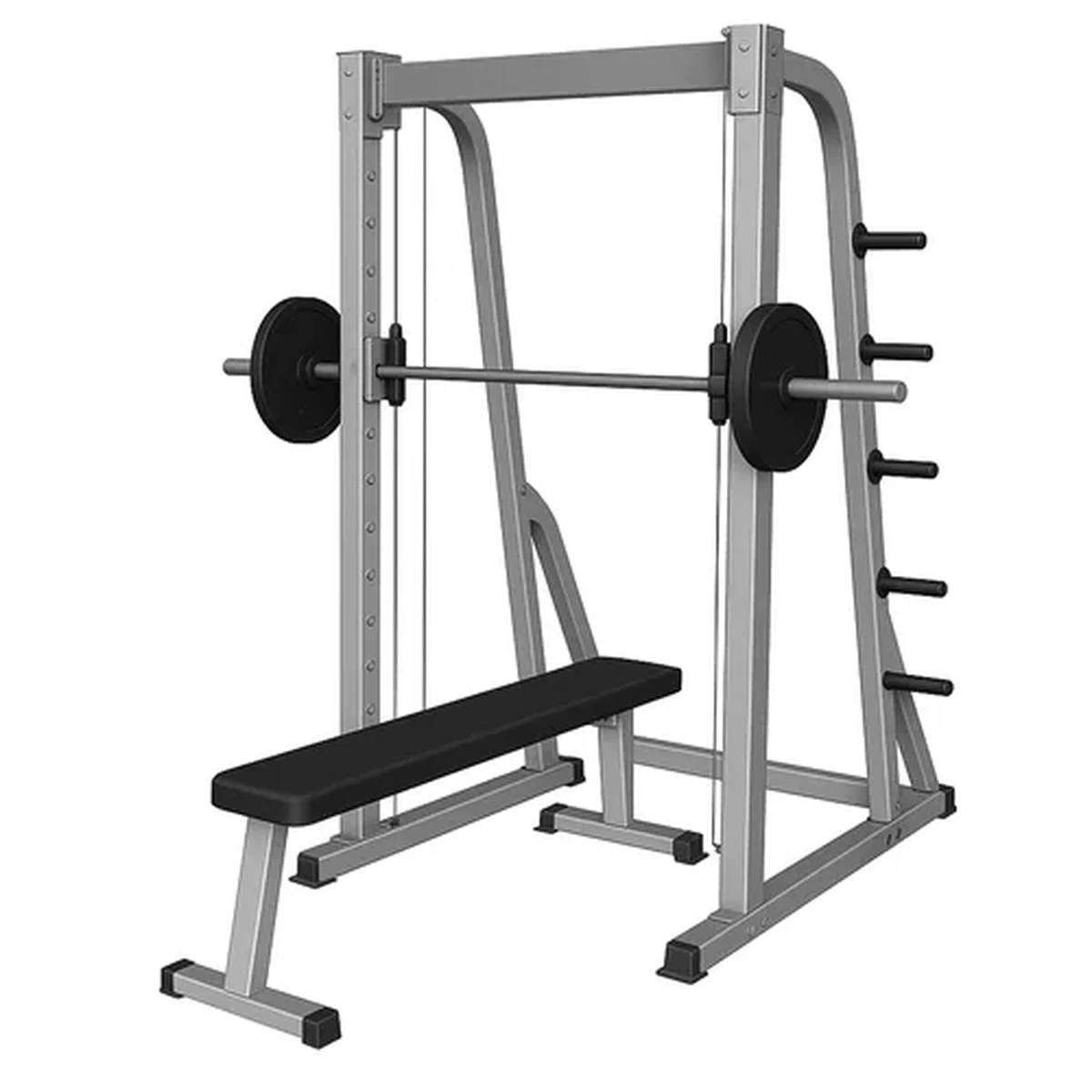 Smith Machine with Flat Bench
 Cable Crunch Machine
The 8 Exercises
Cable Low Seated Row
Cable · Gym
The row that actually keeps tension on the whole time — that's the entire point of cables.
Free weights lose tension at certain points in a lift depending on the angle of gravity; cables don't, because the pulley keeps pulling in a straight line no matter where you are in the rep. That makes a seated cable row one of the most efficient ways to load your mid-back and lats through a controlled range without any dead spots. Hook your feet on the platform, knees slightly bent, and pull the handle toward your navel while squeezing your shoulder blades together at the finish. The mistake that shows up constantly here is leaning the torso way back to 'get more range' — all that actually does is turn a back exercise into a lower-back exercise. Keep the torso nearly still and let your elbows do the traveling.
Lever Shrug (plate loaded)
Machine (lever) · Gym
A machine that removes literally every excuse your traps have.
Your upper trapezius is the muscle behind your neck-to-shoulder line, and it only responds meaningfully to one motion: your shoulders traveling straight up toward your ears. A plate-loaded lever shrug locks your hands into a fixed path, which means there's no room to cheat the movement into a circular roll the way you might with dumbbells. Grip the handles, lift the shoulders straight up, and hold briefly at the top before lowering under control. The most common leak here is letting the elbows bend to help hoist the weight — the moment your elbows get involved, you've turned a shrug into a shrug-slash-row hybrid that trains neither muscle as well as either exercise alone.
Smith Bent Over Row (VERSION 2)
Smith Machine · Gym
A fixed bar path means one less thing to think about mid-set.
A Smith machine locks the bar to a straight vertical track, which takes balance and stabilization out of the equation entirely — useful when you specifically want to chase fatigue in your lats and mid-back without your grip or your core giving out first. Hinge at the hips like you're about to deadlift, and pull the bar toward your lower chest. The classic error: standing nearly upright and rowing with straight legs, which turns the pull into something your lower back grinds through rather than your back muscles. Bend the knees slightly, hold the hinge, and let the fixed bar path do the stabilizing work for you.
Power Sled Pull Row
Sled · Gym
This is cardio and back day pretending to be the same workout — and it works.
There's something almost unfair about how effective a sled row is: it combines a full-body conditioning effort with a continuous, unbroken pull on your entire back, because unlike a rep-based exercise, the resistance never lets up while you're walking. Lower your stance, grab the rope, and pull it toward your body while walking backward or leaning into the drag. The mistake to watch for is pulling with the arms alone while the legs just stand there — the real engine of a sled pull is your legs driving into the ground, with your back finishing each pull. Treat it like a rowing machine you're dragging behind you, not a bicep curl with extra steps.
Cable Kneeling One Arm Lat Pulldown
Cable · Gym
Kneeling removes your legs from the equation, which is exactly the point.
Standing or seated pulldown variations let your legs and torso quietly assist the pull more than you'd think. Dropping to a kneeling position takes that help away, so your lat has to do the actual work of pulling your elbow down and back. Kneel tall, grab the cable, and pull with the elbow brushing your torso as it travels down — almost like you're trying to put your elbow in your back pocket. The instinct to rotate your torso to help finish the pull is strong, especially on the last couple of reps, but that rotation is your body borrowing strength from momentum instead of your lat. Keep the hips square and let the arm do the work alone.
Lever Bent over Row with V bar (plate loaded)
Machine (lever) · Gym
The V-bar grip pulls your hands closer together than almost any other row.
A neutral, close V-bar grip changes the angle your elbows travel through compared to a wide bar, which shifts more emphasis toward your lower lats and the thickness of your mid-back. Grip the handles, hinge forward at the hips, and pull with your elbows tracking close to your body rather than flaring wide. The single biggest form leak on a heavy plate-loaded row is letting the back round under load to squeeze out a rep — which might get the weight up, but it's your spine, not your lats, absorbing that stress. Keep the chest proud and the spine neutral, and treat a rounding back as your cue to drop the weight, not push through it.
Smith Shrug
Smith Machine · Gym
Same trap-isolating shrug, just with a bar that can't wander off its track.
Everything that makes a dumbbell shrug effective applies here, plus one extra benefit: the fixed vertical bar path of a Smith machine means your shoulders travel in a perfectly straight line every single rep, with zero drift forward or back. Grip the bar and lift your shoulders straight toward your ears, holding briefly at the top of each rep. Where people lose the exercise is bouncing the weight up using their knees for a tiny leg-drive assist — which feels like it lets you handle more weight, but it's the legs doing the work your traps were supposed to do. Keep the knees still and isolate the movement to the shoulders alone.
reverse grip machine lat pulldown
Machine · Gym
Flipping your grip underhand quietly shifts the whole exercise toward your lower lats.
An underhand, reverse grip changes your forearm and shoulder positioning enough that it noticeably increases how much your lower lats and biceps contribute to the pull, compared to a standard overhand grip. Grip the bar underhand, and pull your elbows down close to your sides rather than flaring them outward. The most common way to sabotage this one is leaning back dramatically to use body weight as leverage — which might move more weight, but most of that motion is your torso swinging, not your lats contracting. Keep the recline minimal and let your elbow path, not your torso lean, do the pulling.
Try the Freeweight/Bodyweight Version Too
Same six back muscles, different tool — the muscle can’t tell what equipment moved it, only how much tension it was under. See the freeweight/bodyweight version of this exact back day →
If your sessions involve rows and rack pulls, a high-waist legging with a wide non-rolling band matters as much as your grip does through a long set — shop the back-day activewear pick →
What to Watch Out For
Rowing with your lower back instead of hinging. If your low back aches after rows, the usual cause is lifting without a proper hip hinge. Drop the weight and lock in a hinged position — chest up, hips back — before you touch the bar again.
The 90/90 shoulder position, if it’s ever bothered your shoulder before. Rowing with your upper arm at 90 degrees and elbow bent 90 degrees can aggravate an existing shoulder impingement. If that’s you, pull with your elbows closer to your body instead.
Behind-the-neck pulldowns. That extreme shoulder angle isn’t worth the risk — pull to the front of your chest instead, every time.
Tight, bunched-up upper traps. If your traps are doing everything and your mid/lower back feels like it’s along for the ride, press your shoulder blades down before you start each pull — it re-routes the effort to where it should go.
Don’t panic about a slightly rounded back. The old warning that any spinal rounding is dangerous is more nuanced than it sounds — the real rule of thumb is simpler: let the weight you can hold good form with set your ceiling for the day, not a rigid, fear-based idea of “perfect” form.
This article is informational, not medical advice. If you have an existing injury or chronic pain, check with a physical therapist or doctor before starting a new back program.
Keep Reading
This article is for general informational and educational purposes only and is not medical or professional training advice. Consult a qualified professional before starting any new exercise program.