8 Shoulder Exercises, Mapped Muscle by Muscle — Female + Male 3D Animation for Every Rep
Quick Answer: Your shoulder is three separate muscles (front, side, rear delt), not one — and pressing alone only trains one of them well. Below are 8 exercises using cables and machines, each shown in 3D animation, female and male, with the real story behind each one.
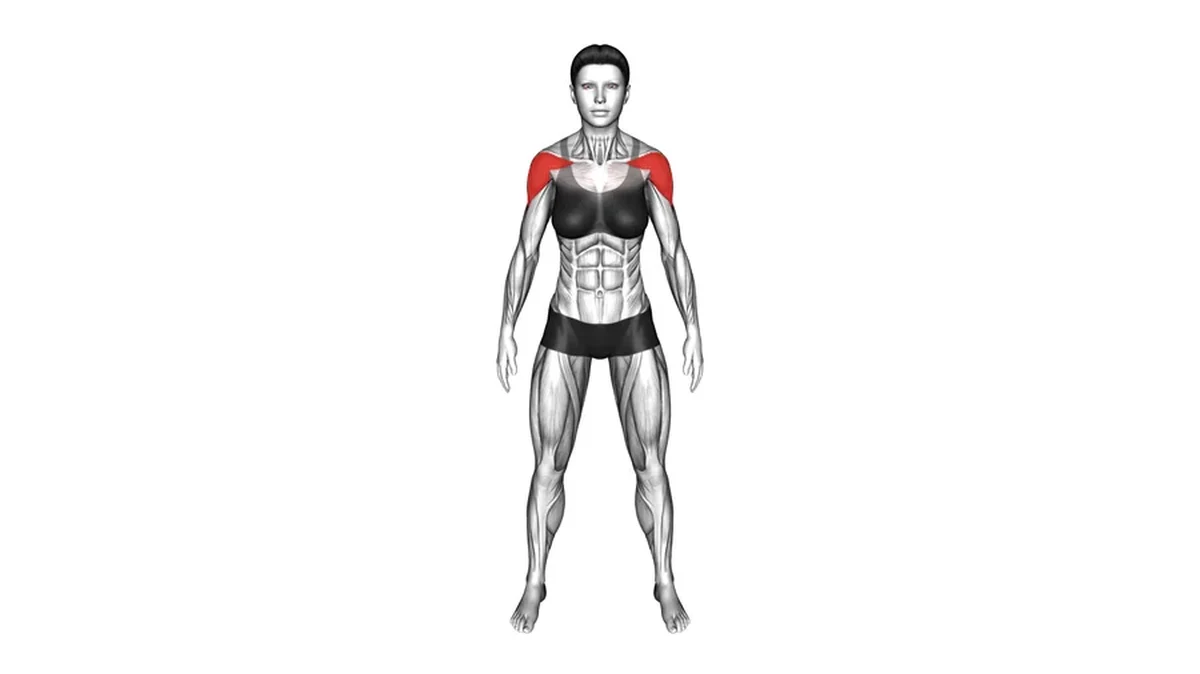
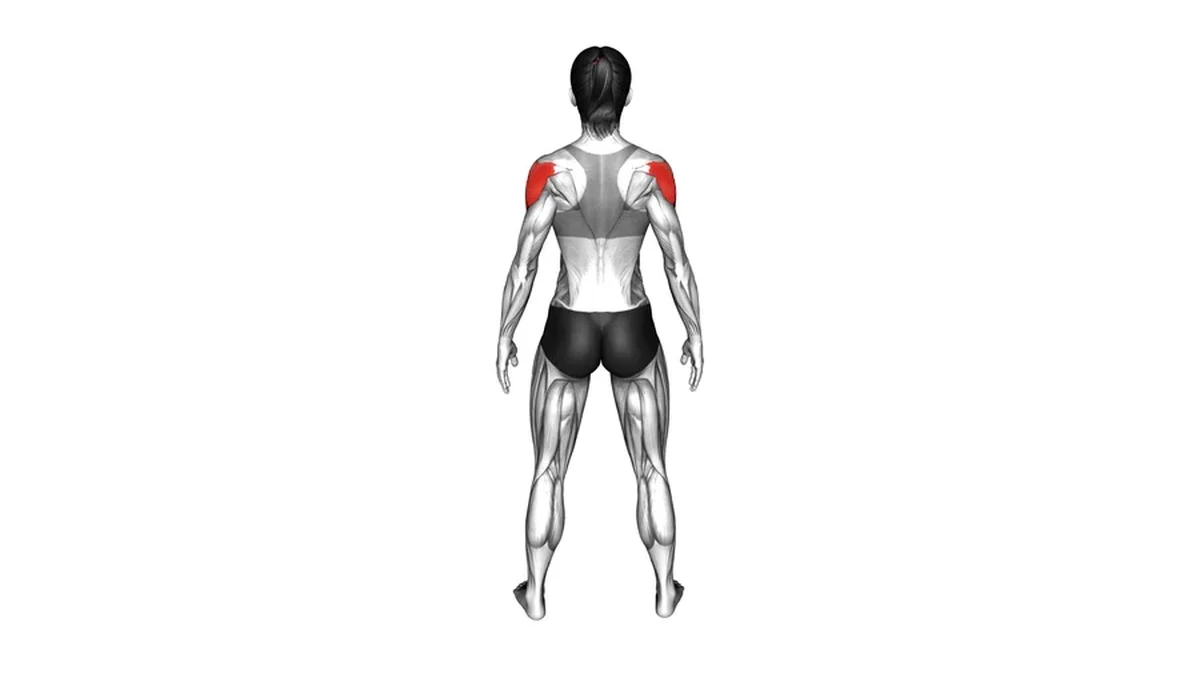
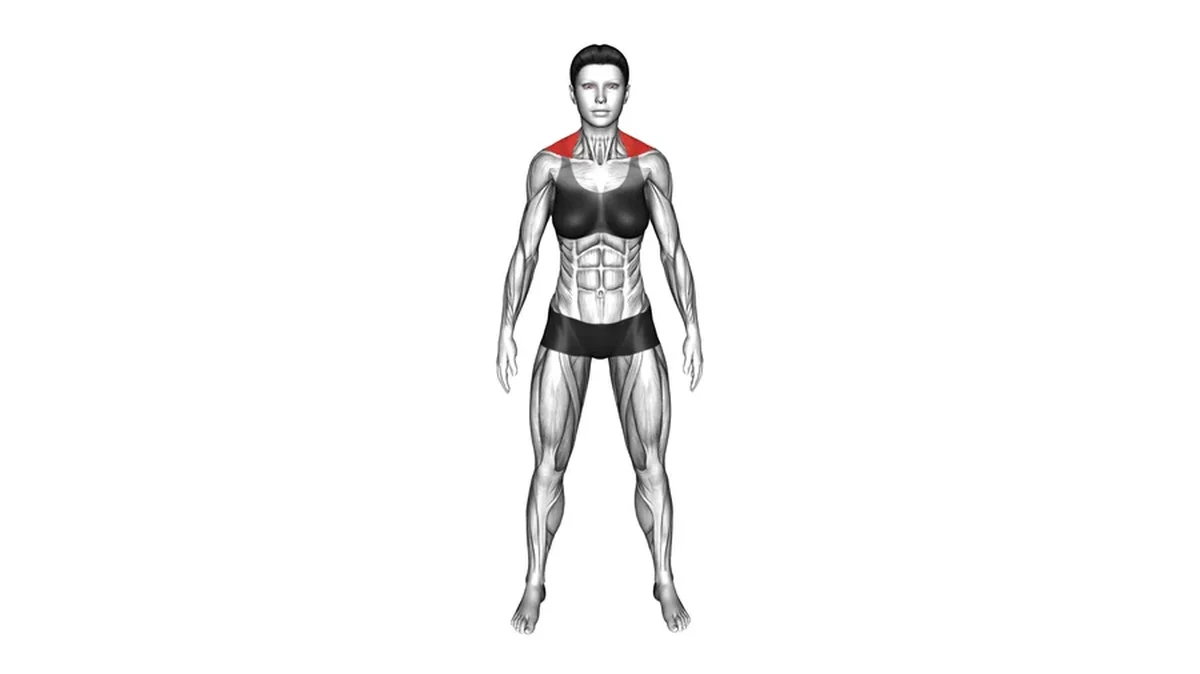
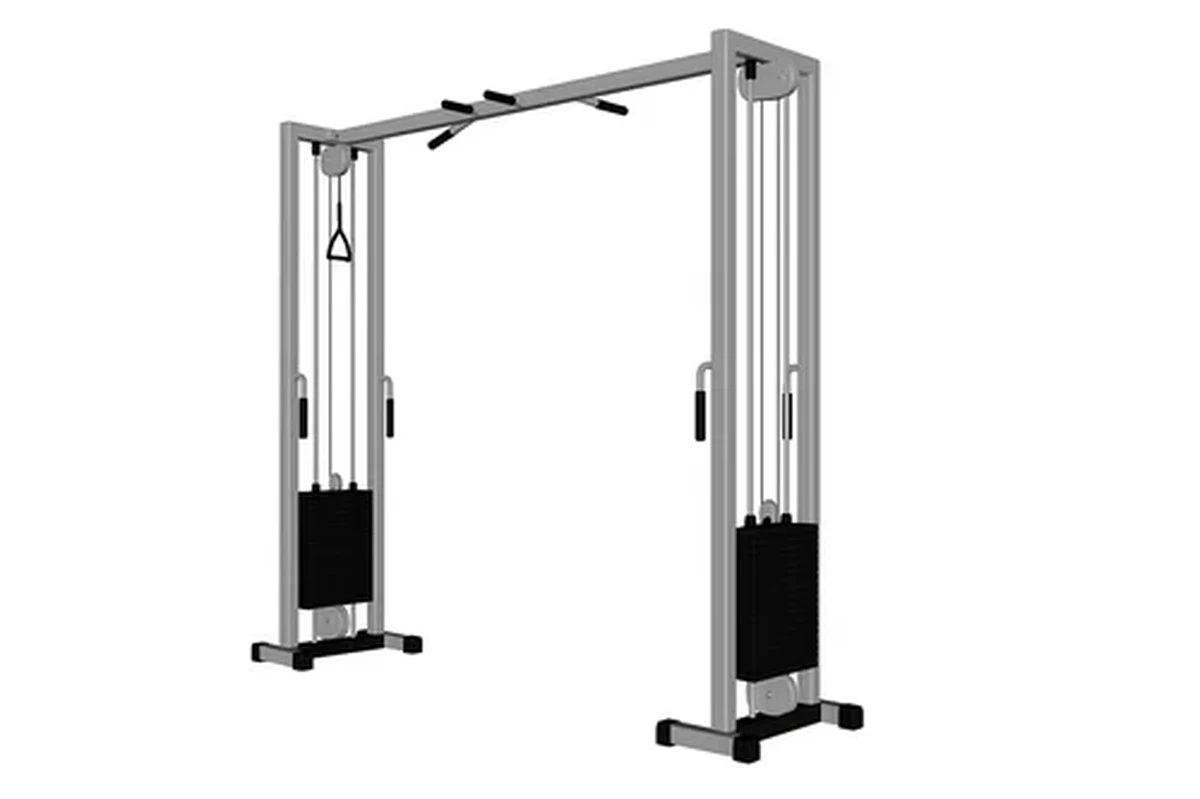 Cable Crossover Machine
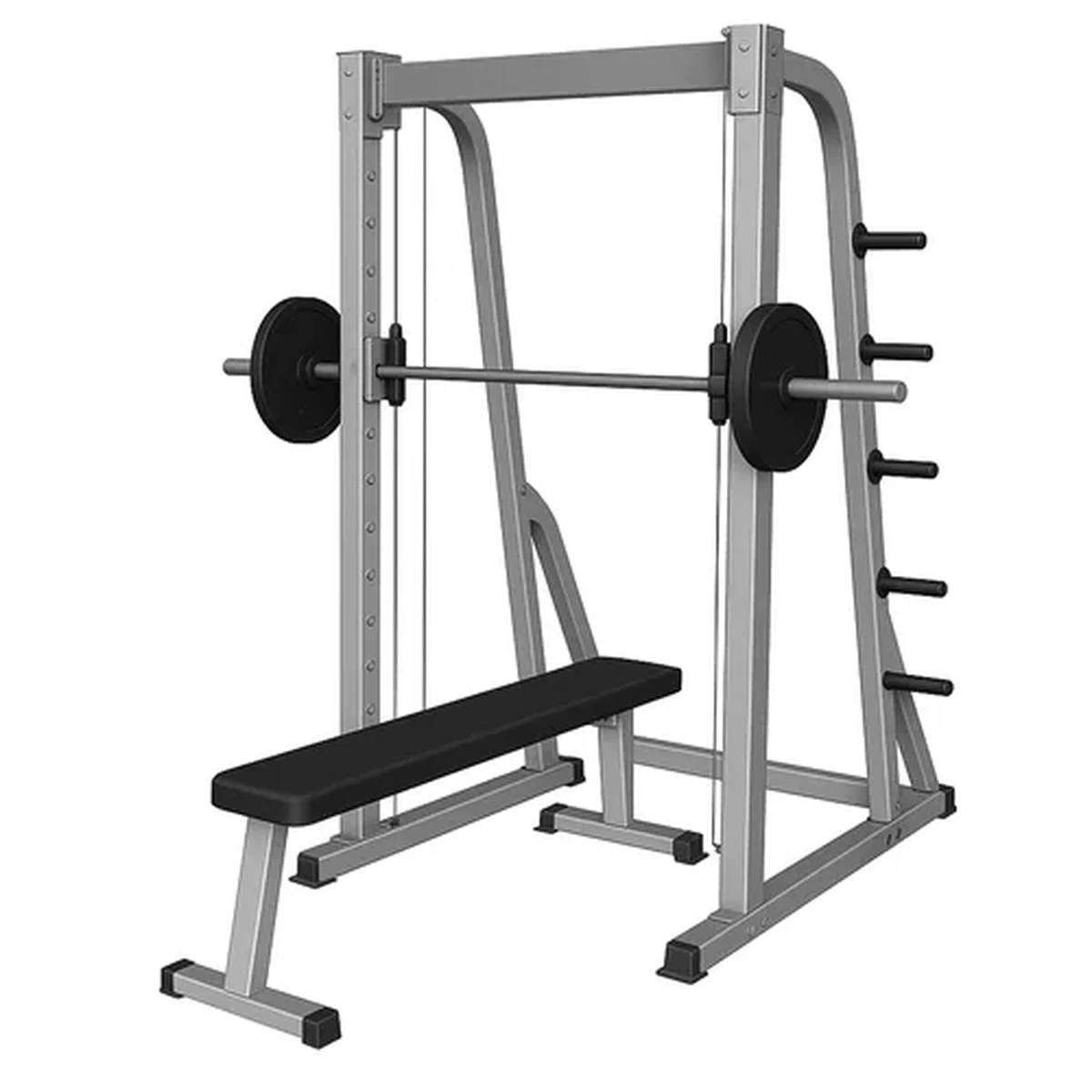 Smith Machine with Flat Bench
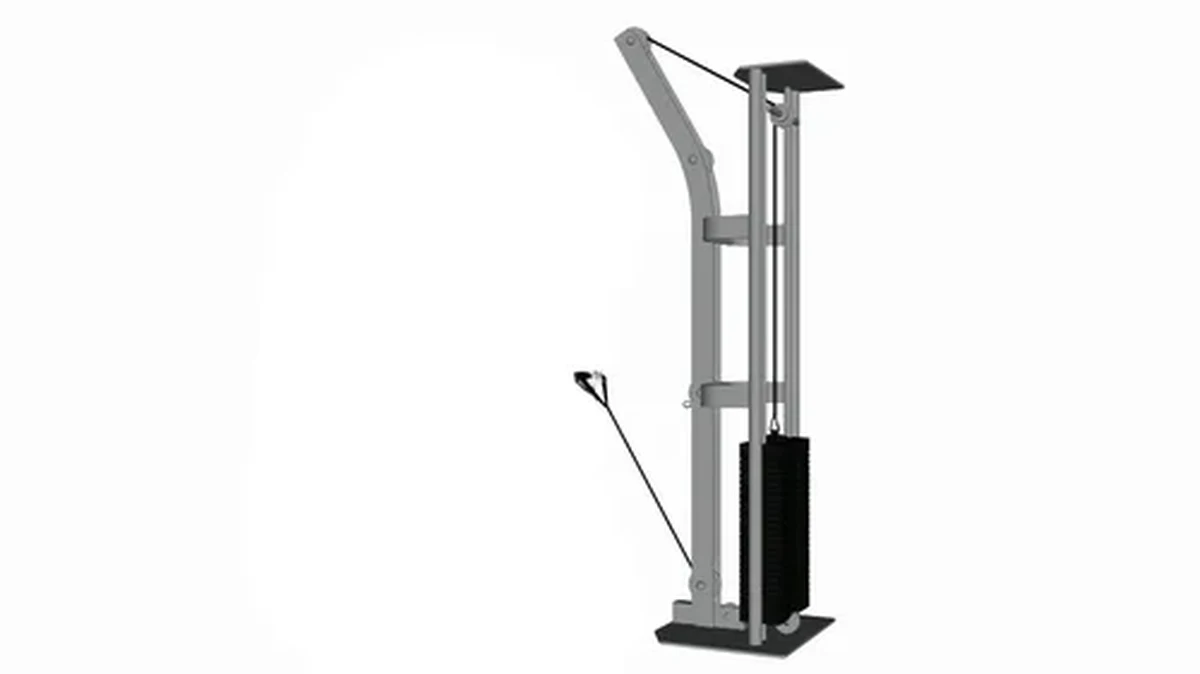 Adjustable Cable Column
The 8 Exercises
Cable Cross over Revers Fly
Cable · Gym
Cables solve the one thing dumbbell rear-delt work can't: constant tension.
A dumbbell rear delt fly goes nearly weightless at the top of the movement, where gravity stops helping the exercise resist you. Crossing two cables in front of your body and pulling them out and back keeps real tension on your rear delts through the entire range, top to bottom, which is exactly what a chronically undertrained muscle group benefits from. Set the pulleys roughly shoulder height, cross the handles, and pull them out to the sides in a wide arc, squeezing your shoulder blades together at the back. Keep a light bend in your elbows throughout — locking them out turns this into more of a straight-arm swing than a controlled fly.
Cable Shoulder Press
Cable · Gym
A press that keeps working even as your arm straightens.
A dumbbell overhead press loses some of its hardest resistance right as your arm locks out — a cable setup, angled correctly, can maintain tension later into the rep than free weights can. Press the handles straight overhead from shoulder height, keeping your core braced so your lower back doesn't arch to help finish the press. As covered elsewhere on this list, your front deltoid rarely needs dedicated extra volume if you're already pressing regularly elsewhere in your week — treat this as a solid front-delt option, not a mandatory addition on top of everything else.
Cable One Arm Lateral Raise
Cable · Gym
This exact exercise is the one that got put through an actual controlled experiment.
Remember the 8-week study where researchers assigned each lifter's two arms separately to either dumbbell or cable lateral raises? This is the cable half of that comparison. The headline result: side deltoid growth was statistically identical between the two tools once full range of motion was controlled for — despite cables maintaining tension at the bottom of the rep in a way dumbbells physically can't. Set the pulley low, pull the handle out and up to shoulder height, and focus on finishing the full range rather than stopping short. If you've been told cables are the 'superior' choice, the honest answer is: they're an equally good choice, not a better one.
Lever Seated Reverse Fly
Machine (lever) · Gym
A machine built specifically to stop you from cheating this exercise.
Rear delt work is uniquely easy to fake — swinging your torso or using momentum can move the weight without your rear delts doing much of the work at all. A seated lever reverse fly machine locks your torso in place against a pad, which removes that cheat entirely and forces your rear delts to do the isolated work the exercise is supposed to train. Sit facing the pad, grip the handles, and pull them out and back in a wide arc, focusing on squeezing your shoulder blades at the peak of the movement rather than just moving the handles.
Lever Reverse Seated Shoulder Press
Machine (lever) · Gym
Fixed path, zero balance required — good news for chasing real fatigue.
A lever-based shoulder press locks your pressing arc into a fixed, stable path, which means you can push a set closer to genuine muscular fatigue without worrying about the coordination and stabilization demands a free-weight press adds on top. Sit tall against the pad, grip the handles at shoulder height, and press upward in a controlled arc. Since your front delt typically gets plenty of work from any regular pressing routine, this is a solid, low-skill-demand way to hit that same muscle without adding extra technical complexity to your session.
Smith Standing Military Press
Smith Machine · Gym
A barbell press with the balancing act removed.
The Smith machine's fixed vertical bar path takes side-to-side and forward-backward stabilization out of a standing overhead press, letting you focus entirely on pressing the weight rather than controlling it. Stand with the bar at shoulder height, grip slightly wider than shoulder width, and press straight up without letting your lower back arch to help. This is a genuinely useful option if you want the loading pattern of a barbell press but want to remove the balance component while you're focused on a shoulder-only session.
Cable Half Kneeling Face Pull
Cable · Gym
Secretly one of the best rear-delt exercises you're not calling a rear-delt exercise.
Face pulls usually get filed under 'general shoulder health,' but here's the muscle-specific detail worth knowing: since your rear deltoid's job includes pulling your arm backward (shoulder extension), any close-grip pulling motion — including this one — trains it directly, not just as an afterthought. Set the cable at head height, kneel on one knee for stability, and pull the rope toward your face while flaring your elbows out wide and rotating your hands back. If you already do rows or pulldowns with your elbows tucked close to your body, you're getting meaningful rear-delt work you may not have been crediting to those lifts.
Lever Seated Shoulder Press
Machine (lever) · Gym
The everyday, no-excuses version of an overhead press.
A seated lever shoulder press is about as close to foolproof as a shoulder pressing exercise gets — the seat and back pad control your position, the handles move in a fixed arc, and there's very little technique to get wrong. Sit tall, grip the handles at shoulder height, and press up and slightly together until your arms are extended, without shrugging your shoulders up toward your ears to help finish the rep. Since front-delt work tends to be well covered by regular pressing anyway, this machine is a low-fuss way to check that box without needing much setup or spotting.
Try the Freeweight/Bodyweight Version Too
Same three deltoid heads, different tool — the muscle can’t tell what equipment moved it. See the freeweight/bodyweight version of this exact shoulder day →
A supportive sports bra matters just as much as your form once the overhead presses start — shop the shoulder-day activewear pick →
What to Watch Out For
Upright rows with a narrow grip. Pulling a bar up close to your body forces your shoulder inward right as it’s lifting — the exact combination that irritates the space under your shoulder blade. Widen your grip and stop the pull at chest height, not your chin.
Behind-the-neck presses. That extreme shoulder position isn’t worth it. Press in front of your head instead, every time.
Lateral raises lifted straight out to the side. Raising directly out to your side with your thumb turned down is a classic impingement setup. Angle your arms slightly forward — about 30 degrees — and keep your thumb up.
Loading up front-delt work you don’t need. If you already press regularly, your front delt is almost certainly getting enough volume. Extra front raises are rarely the fix for shoulders that feel behind — rear and side delts usually are.
Skipping rear delts entirely. This is the most commonly neglected third of the shoulder, and it’s a big part of what keeps posture upright and shoulders pulled back. If your routine has zero rear-delt-specific or close-grip pulling work, that’s the first gap to close.
This article is informational, not medical advice. If you have an existing shoulder injury or ongoing pain, check with a physical therapist or doctor before starting a new shoulder program.
Keep Reading
This article is for general informational and educational purposes only and is not medical or professional training advice. Consult a qualified professional before starting any new exercise program.